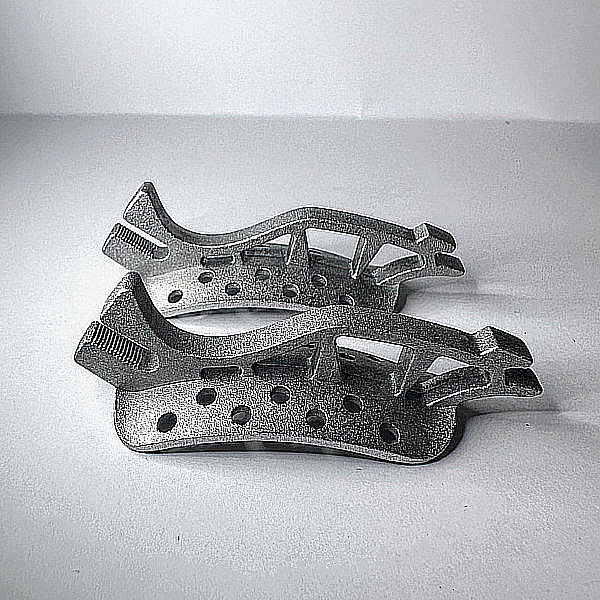
Roller skiing for beginners opens the door to year-round adventure, fitness, and freedom. Roller skiing offers a great full-body workout. You will gain whether you are a Nordic skier looking to improve your skills or are new to the sport. It has a low impact on your joints. In this beginner’s guide, we will help you choose your first pair of roller skis. You will learn basic techniques and start training confidently with FF Skis’ advanced full-suspension technology called 360Flow.
If you are ready to choose a pair, see our roller skis.
What Makes Roller Skiing So Special
Roller skiing is like taking cross-country skiing off the snow and onto the road. It combines endurance, coordination, and balance for a full-body, low-impact workout. Many athletes and beginners love it. It’s as close to skiing on snow as you can get, without waiting for winter.
With FF Skis’ 360Flow Suspension, even beginners can enjoy smoother rides. This innovative system absorbs bumps and vibrations, helping you stay balanced and comfortable from your very first session.
How to Choose Your First Pair of Roller Skis
Before you hit the pavement, it’s important to pick the right equipment.
Classic vs. Skate Roller Skiing
Classic roller skiing mimics a walking or running stride, with the skis moving in parallel.
Skate roller skiing uses a V-shaped stride, like ice or inline skating.
✅ Best for Beginners: Start with the style that feels most natural. If you’ve done cross-country skiing, classic will feel familiar. If you’re an inline or ice skater, you’ll love the glide of skate skiing.
Pro Tip: Choose models with full-suspension systems, like FF Skis’ beginner lineup. They reduce joint stress, make balance easier, and give you a snow-like feel that speeds up your learning curve.
Key features to look for:
High-quality wheels for smooth gliding
Stable, lightweight frame (under 800 gram per ski)
Why FF Skis Suspension Is Perfect for Roller Skiing Beginners
Most traditional roller skis have rigid frames that send every bump straight to your knees and ankles. FF Skis’ 360Flex Suspension absorbs road vibration, creating a smoother, safer experience.
Benefits for beginners include:
Less joint impact: 30% less shock compared to rigid models
Better balance: Suspension helps you stay centered
Faster progress: Easier to focus on technique
More confidence: Feels stable even on imperfect pavement
In FF Skis’ beginner studies, skiers using full-suspension models reported 73% greater comfort. They also kept their form 42% longer during early sessions.
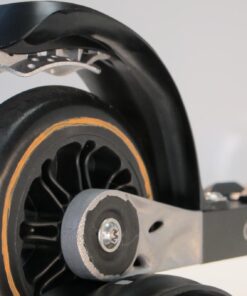
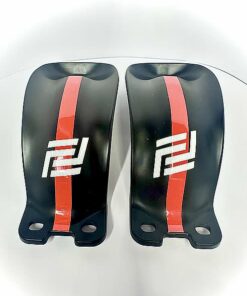
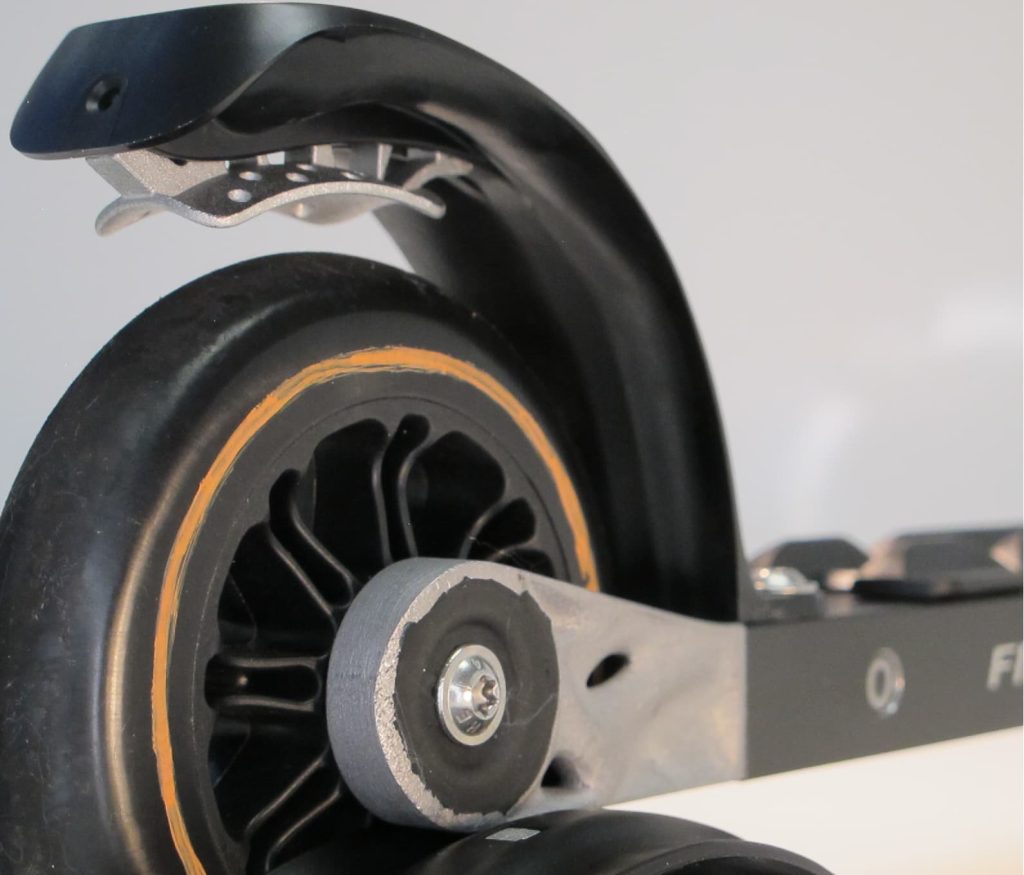
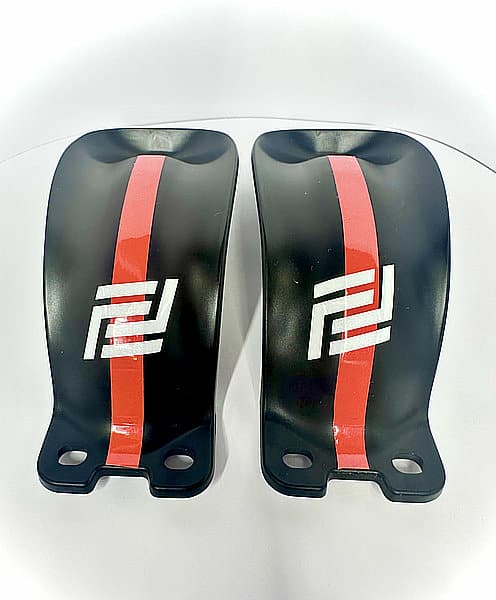
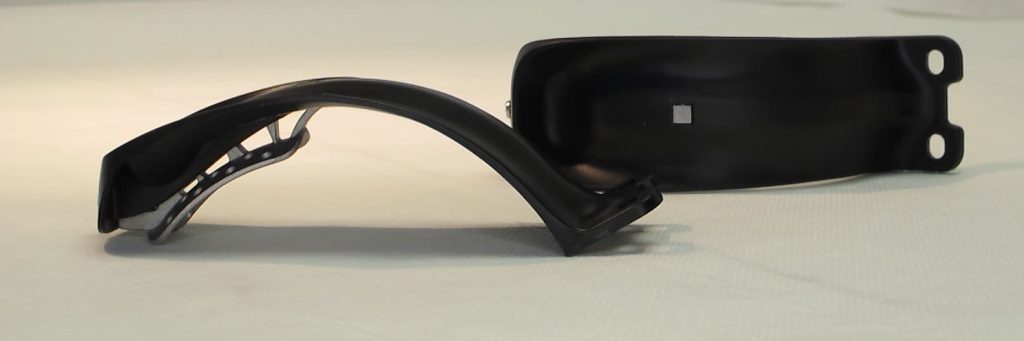
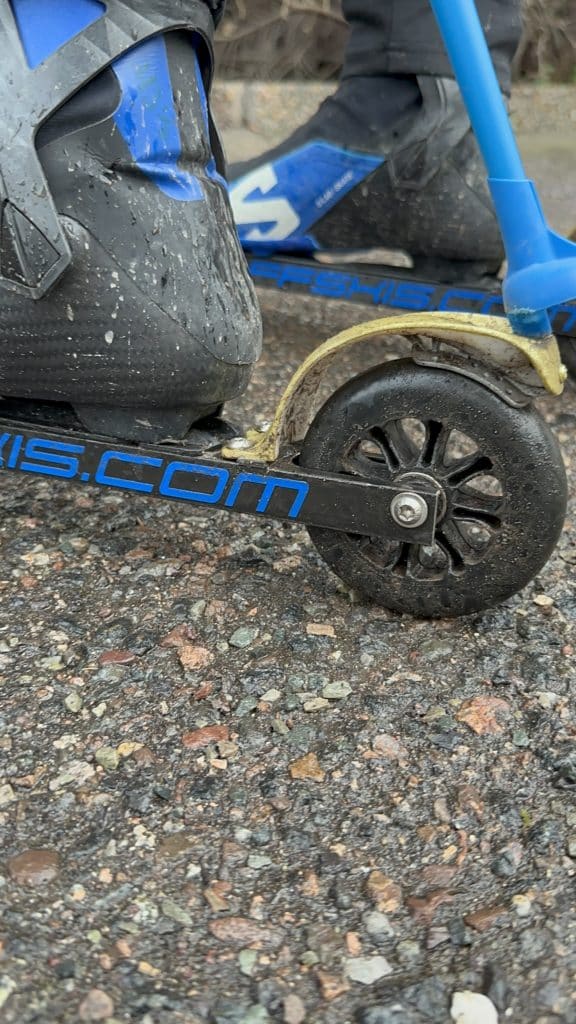
The FF Universal Skate Brake is a patented, pole-activated safety system designed in Norway, weighing approx. 20.8 g. The pole-activated fender fits major brands like IDT and Swenor. Our “wheel forging” technology reshapes the rubber as you brake, helping keep wheels round and improving grip on wet asphalt. Perfect for elite athletes and safety-conscious amateurs alike.
Start without poles. Click into your bindings and stand still. Feel the ratchet locking when you push straight back. Find your balance over the ski midpoint. Take your first gliding steps without poles — short, controlled, at walking pace. Get comfortable with the feeling of the wheel releasing and gliding before adding any speed.
Add poles after 10–15 minutes. Once you can maintain balance and do controlled kick-glide steps without poles, add poles using a light double-pole push to increase speed gently. Do not attempt to do diagonal stride with poles until you have several sessions of bare-pole comfort.
Practice stopping from the start. Stopping is the hardest skill in roller skiing. From your very first session, practice stepping onto grass from low speed, and practise the pole-drag braking technique (both poles angled behind you, pressing down hard on the tips). If you use FF Rollerskis with the Universal Brake System, practise deploying the brake at low speed before you need it at high speed.
Roller Skiing for Beginners: Basic Technique Guide
Classic Technique
Shift weight completely from ski to ski
Glide on one ski while bringing the other forward
Push down and back with your weighted leg
Move opposite arm and leg together
Skate Technique
Keep skis in a V-stance
Push off the inside edges
Fully transfer your body weight
Engage your core and rotate naturally
Common beginner mistakes: staying too upright, keeping weight on both skis, or rushing pole timing.
💡 FF Skis’ 360Flow Suspension helps by absorbing micro-vibrations, giving you stability while learning balance and body flow.
Get Feedback on Your Technique
Filming yourself is the fastest way to improve. Send us a short video and get an AI technique analysis with clear tips on what to fix first.
Upload a short video of yourself skiing or roller skiing. Get an automatic technique analysis right away — across 6 key points, with personal tips. The AI does the analysis on its own; FF Skis monitors quality.
Week 1: Balance & Basics Practice standing, gliding, and stopping on flat terrain.
Week 2: Technique Development Add poles, focus on rhythm and coordination.
Week 3: Endurance & Control Ski for 20–30 minutes continuously on smooth surfaces.
Week 4: Confidence & Flow Try light hills, keep rhythm, and track progress.
Keep a simple training log — note distance, comfort, and improvement.
Roller Skiing for Beginners: Key Progress Tips
Be patient — coordination improves fast
Focus on form before speed
Celebrate small wins
Record your sessions to see progress visually
Pro Tip: Most beginners can confidently ski for 30+ minutes after just four weeks of consistent training.
Common Beginner Mistakes to Avoid
Going too fast too soon. Build speed gradually across multiple sessions. The wheel ratchet and long frame do not protect you from speed — they only affect the kick phase. Once you’re gliding downhill, you are at the mercy of gravity the same as on any wheeled vehicle.
Training on wet roads. Wet asphalt noticeably reduces wheel grip and makes pole planting unpredictable. Never roller ski in rain or immediately after rain. The road surface should be completely dry.
Skipping the safety gear. This mistake is made most often by experienced skiers who assume their snow-skiing confidence will transfer directly. It doesn’t — at least not to the braking part, which is completely different.
Using worn or cheap bearings. If your roller skis feel rough or rattle when you spin the wheels by hand, the bearings are worn. Rough bearings create unpredictable rolling resistance that can cause unexpected lurches. Replace immediately. See our Wheels & Bearings Guide for specs and replacement intervals.
How Long Does It Take to Get Good at Roller Skiing?
An individual with prior cross-country skiing experience will require around 3–5 sessions to gain a sense of competence, while achieving fluency might take 10–15 sessions. For someone entirely new to Nordic skiing, it usually takes 8–12 sessions to attain basic fluency on flat surfaces, and a complete season to cultivate proper technique. The learning curve is most pronounced during the initial three sessions, after which it declines significantly. Many who abandon roller skiing tend to do so within the first two sessions, often before they reach a level of competence. If one can persevere through the initial three sessions, the sport tends to become enjoyable quite swiftly.
Your Beginner’s Checklist
✅ Helmet, gloves, pads ✅ Beginner FF Skis with suspension ✅ Smooth pavement practice area ✅ Short sessions (30–45 minutes) ✅ Positive attitude — progress comes quickly
Start Your Roller Skiing Journey with FF Skis
Roller skiing for beginners isn’t just training — it’s a lifestyle of outdoor movement and freedom.
With FF Skis’ 360Flow Suspension, you will enjoy smoother rides. You will learn faster and feel like you are skiing on any surface.
Yes. Roller skiing works the legs, glutes, core, back, shoulders and arms at the same time. It gives full-body endurance training with low impact on your joints, which is why cross-country skiers use it all summer.
Do I need to know how to ski before roller skiing?
No, but it helps. Cross-country skiing experience transfers directly. Complete beginners can learn from scratch, but should plan a longer technique phase and start with classic technique on flat terrain.
How long does it take to learn roller skiing?
With cross-country skiing experience, most people feel comfortable after 3–5 sessions. Complete beginners usually need 8–12 sessions to roll confidently on flat terrain. The first three sessions are the hardest.
What equipment do I need to start?
Roller skis suited for beginners, poles with roller ski tips, a helmet, gloves, knee and elbow pads, and high-visibility clothing. Full-suspension models like FF 360Flow make the first sessions smoother and more stable.
Should I start with classic or skate?
Start with classic on flat, smooth asphalt. It is easier to balance and control speed. Move on to skate when you can stop safely.
What is a good training volume to start with?
2–3 sessions per week of 30–45 minutes. Technique breaks down quickly when you are tired, so keep sessions short at first. Build up to 60–90 minutes over 4–6 weeks.
Can children learn roller skiing?
Yes. Children from about 6 years can start on shorter roller skis with slow wheels. Full protective gear is essential. FF Rollerskis has a junior model, the FF 360Flow Classic Junior.