
Roller Ski Maintenance Guide
Proper maintenance keeps your rollerskis safe, fast and durable. This guide shows you how to check, clean, dry and store your FF Rollerskis step by step – based on real-world use in Nordic conditions.
Poor maintenance is one of the most common causes of wheel failure and loss of control on rollerskis. A few minutes per session is all it takes.
1. Pre-Session Checklist
Before every training session, make sure to:
- Tighten all screws and fasteners
- Confirm that bindings are intact and securely mounted
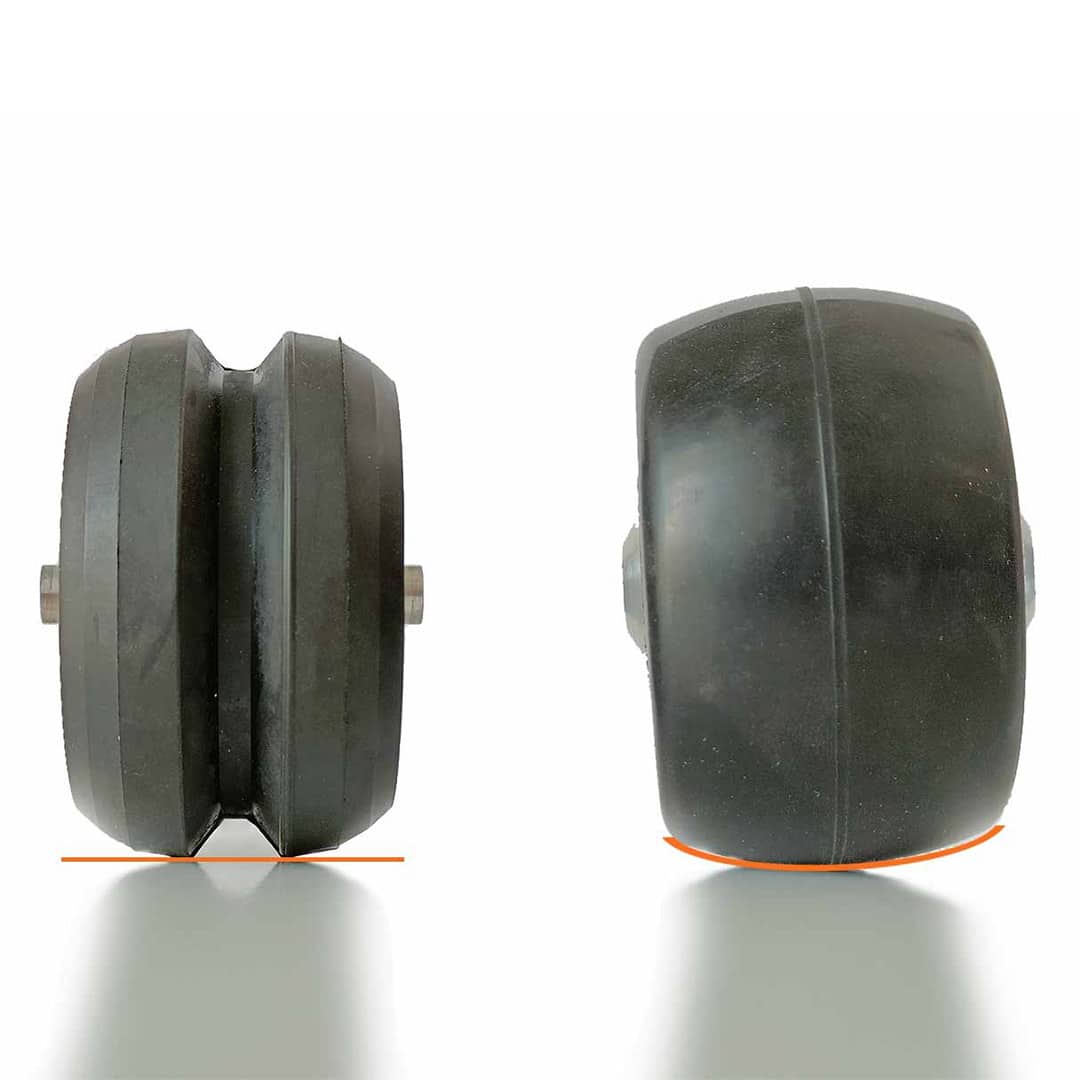
- Inspect wheels for cracks, cuts, or uneven wear
- Spin the wheels and listen for unusual noise
Tip: Switch skis between your left and right foot regularly to even out wear and extend wheel life.
2. Cleaning After Use
To keep your skis in great shape:
- Remove gravel, sand and dirt from wheels and suspension after every session
- Wipe with a dry cloth after each use to remove dirt and moisture
- Rinse gently with water if needed (no high-pressure washers or harsh chemicals)
- Dry thoroughly, especially around wheel bearings to avoid rust
3. Proper Drying
If your skis get wet:
- Hang them vertically to allow water to drain
- Place on a heated floor to evaporate moisture
- Use a hairdryer for quicker drying if necessary
- If used only on dry asphalt, a wipe with a towel is usually enough


4. Suspension System Maintenance
Comfort and shock absorption depend on a well-maintained suspension:
Maintaining your equipment by following these routines will preserve elasticity and your rollerskis performance
Apply silicone spray to rubber dampers after every wash
Inspect rubber components regularly – natural rubber wears faster when exposed to road salt, dust, and mud.
5. Bearing Check
Bearings ensure a smooth, silent ride. Here’s how to monitor them:
Never oil sealed bearings — just replace when worn
Spin the wheels by hand and listen for rumbling, grinding or uneven rolling sounds
If wheels don’t spin freely or make noise, the bearings should be replaced. Worn bearings reduce speed, damage the wheels and affect safety.
6. Brake Check
If your rollerskis have a brake or speed reducer, check it before every session – especially before training in hilly terrain:
- Test the brake at low speed on flat ground before you head downhill
- Check that the brake blade and its fasteners are tight and undamaged
- Replace worn or damaged brake parts before your next session – never ride with a brake that does not engage evenly
Brake Blade Classic · Brake Blade Skate · Roller ski brakes guide
7. Storage
Store your roller skis:
- In a dry, indoor space at room temperature
- Away from direct sunlight or humidity
- Off the floor if possible to allow airflow
- Not in cold garages or damp basements
- Never put the skis away wet after training
8. Full Annual Service
We recommend a complete service at least once per year, depending on how often you use your skis. Frequent training may require more frequent checkups.